
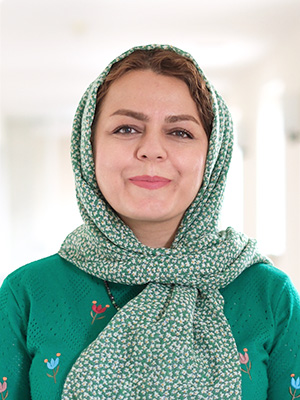
Dr. Zahra Fathirezaie
What does the theme “Conflict & Cooperation” mean to you?
For me, conflict and cooperation are two sides of the same relationships. People who work, play or live closely together will sometimes disagree, and that is a normal part of shared life. Sport shows this clearly. The coaches, parents and teammates who support a young athlete are often the same people the athlete clashes with. I do not see conflict as a failure in itself. What matters is what happens next. Conflict can damage trust and push people away, or it can become a chance to learn how to control emotions, listen to the other side and find a shared goal. For me, cooperation is having the skills and the climate that let people work through conflict together.
How does this theme play a role in your work?
My research has always asked how the settings and people around children and adolescents shape their development and learning. I started with young children and play in natural environments, and later moved to adolescents’ physical activity and their social skills in sport. Across these studies I used Bronfenbrenner’s ecological systems theory, which sees a child growing inside layers of relationships: family, school, team and the wider culture. Youth sport is a clear example. Athletes, coaches and parents form a small system, often called the athletic triangle, and much of the conflict in youth sport comes from weak links between them. This happens, for example, when parents and coaches send different messages, or when winning is the only thing that counts. My current work therefore looks at how the climate adults create, and the programmes they run, can turn conflict into a chance for growth.
What project(s) will you be working on during your fellowship at the Forum Basiliense?
During my fellowship I will carry out a systematic review, following the PRISMA guidelines, of psychological interventions that aim to increase cooperation and reduce conflict among young athletes aged 12 to 18. I will search PubMed, PsycINFO, Scopus and Web of Science for quantitative and qualitative studies published between 2000 and 2025. The review covers four types of intervention: team-building, mindfulness, conflict resolution training, and education for coaches and parents. I will examine how age, gender and sport type change their effects. I will also look at the mechanisms behind them, such as emotion control, empathy and communication. The goal is to write evidence-based guidance for youth sport organizations, to point out gaps for future research, and to share the findings with the sport organizations through talks and workshops.