
Dr.Diliana Stoyanova
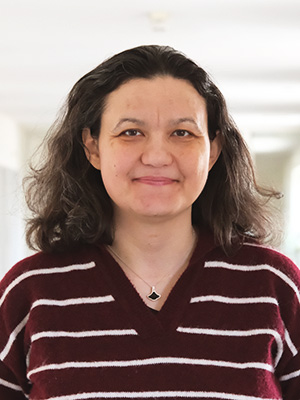
What does the theme “Conflict & Cooperation” mean to you?
In public discourse, cooperation is often framed as something inherently positive, while conflict is seen as something to be avoided. My research has led me to question this simple distinction. In many institutions, particularly large international organizations, “keeping the peace” can sometimes mean preserving the status quo—even when that status quo is flawed. Conflict, in this sense, can play an important corrective role. Moments of disagreement, dissent, or institutional friction may reveal underlying problems that would otherwise remain hidden. Rather than undermining cooperation, such conflicts can open the possibility for institutions to reflect, adapt, and improve. From this perspective, conflict and cooperation are not opposites but part of a dynamic process. Institutions that genuinely value accountability must be able to tolerate a certain degree of internal disagreement and constructive dissent.
How does this theme play a role in your work? My research focuses on the internal legal systems of international organizations, particularly the United Nations, and the protections available to staff members who raise concerns about wrongdoing. Whistleblowers often introduce conflict into environments that strongly value loyalty and cohesion. I am also interested in the opposite phenomenon: silence. In large institutions, cooperation can sometimes take the form of what organizational scholars call moral muteness—a reluctance to openly articulate ethical concerns, even when problems are widely recognized internally. When this happens, conflict is suppressed rather than addressed, and institutions risk drifting away from the principles they claim to uphold. Understanding how organizations navigate these tensions helps reveal how institutional cultures shape the possibility of accountability. What project(s) will you be working on during your fellowship at the Forum Basiliense? During my fellowship at the Forum Basiliense, I will be working on a project examining the role of moral voice and moral silence within international organizations. One aspect of this research explores the idea of “moral muteness” within the United Nations Secretariat—the tendency of senior officials and institutional structures to avoid openly articulating ethical criticism, even in moments of crisis.This work examines how diplomatic culture, bureaucratic constraints, and political pressures shape what can and cannot be said within international institutions. While the United Nations is often expected to provide moral leadership in global affairs, the internal dynamics of the organization sometimes make open moral critique difficult. By studying these tensions, the project seeks to better understand how international institutions manage the delicate balance between maintaining cooperation among states and preserving the moral authority that underpins their legitimacy.